Table of Contents:
- Introduction to Kinesiology in Recovery
- How Kinesiology Supports Injury Rehabilitation
- Key Benefits of Working with a Kinesiologist
- Dispelling Common Kinesiology Myths
- Tips for Choosing the Right Kinesiologist
- Conclusion
- FAQs About Kinesiology
Introduction to Kinesiology in Recovery
When most people think of injury recovery, they immediately envision physical therapy, rest, and rehabilitation exercises. While these elements are fundamental, kinesiology—the study of human movement—can play a significant and often underestimated role in accelerating the recovery process. In this blog, we’ll explore how kinesiology contributes to injury recovery, why it’s an invaluable part of rehabilitation, and how to find the right kinesiologist for your unique needs.
How Kinesiology Supports Injury Rehabilitation
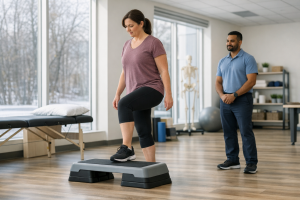
Kinesiology encompasses a deep understanding of the body’s anatomy, physiology, and biomechanics. Kinesiologists specialize in assessing and analyzing movement patterns, which allows them to identify the underlying causes of injuries. By understanding these root causes, kinesiologists develop personalized rehabilitation plans that not only promote healing but also help prevent future injuries. Through targeted exercises and movement correction, they work to restore strength and mobility, ensuring long-term improvement.
Key Benefits of Working with a Kinesiologist
There are several benefits to incorporating kinesiology into your injury recovery plan:
- Personalized Rehabilitation Programs: A kinesiologist tailors your recovery plan to address your specific injury and goals, ensuring targeted healing.
- Improved Mobility and Range of Motion: Kinesiologists focus on optimizing movement, helping you regain flexibility and ease of motion.
- Enhanced Physical Performance: Beyond recovery, kinesiology can improve overall physical performance by identifying weak points and addressing them with specialized exercises.
- Preventative Care: Kinesiologists can help identify potential problem areas before they lead to injury, empowering you with strategies to stay healthy and active.
Dispelling Common Kinesiology Myths
Despite its benefits, kinesiology is often misunderstood. Here are a few common misconceptions and the truths behind them:
- Myth: Kinesiology is only for athletes. Truth: While athletes can greatly benefit from kinesiology, it is useful for anyone recovering from an injury or aiming to improve their movement patterns.
- Myth: Kinesiology is too costly. Truth: Costs vary based on location and professional experience, and many insurance plans may cover kinesiology. Investing in kinesiology can save money by preventing further injuries and reducing long-term medical expenses.
- Myth: Kinesiology only helps with severe injuries. Truth: Kinesiology can assist with all levels of injury, from mild strains to post-surgical recovery. It provides value at any stage of healing.
Tips for Choosing the Right Kinesiologist
Finding the best kinesiologist for your needs is essential for effective recovery. Here’s what to consider:
- Review Credentials and Experience: Ensure your kinesiologist is certified and licensed in your region and has experience treating injuries similar to yours.
- Request References: Ask for references or patient testimonials to gain insight into their treatment approach and effectiveness.
- Assess Communication Skills: A good kinesiologist will explain complex concepts clearly and listen to your concerns. During your initial consultation, evaluate how well they communicate and whether they make you feel understood.
- Check Costs and Insurance Coverage: Understand the pricing structure and whether your sessions are covered by insurance. It’s important to have a clear picture of potential expenses and available payment options.
- Holistic Approach: Seek a kinesiologist who considers both physical and emotional aspects of recovery, supporting a well-rounded approach to healing.
Conclusion
Kinesiology is an invaluable tool for promoting and accelerating injury recovery. By working with a qualified kinesiologist, you can gain tailored support that boosts strength, mobility, and overall function. Following the tips outlined above will help you find a kinesiologist who aligns with your recovery goals and sets you on a path to long-term health and resilience.
FAQs About Kinesiology
What should I expect during my first kinesiology appointment?
During your initial appointment, your kinesiologist will conduct a comprehensive assessment of your injury, review your medical history, and discuss your current symptoms. They may also perform tests to evaluate your strength, flexibility, and movement patterns. Based on these findings, a customized treatment plan will be created.
How many kinesiology sessions will I need?
The number of sessions depends on the severity of your injury and your personal goals. Your kinesiologist will outline a recommended treatment schedule to guide your recovery effectively.
Is kinesiology covered by insurance?
Some insurance plans do cover kinesiology services. It’s important to check with your insurance provider to confirm if your policy includes this type of treatment.