Table of Contents
Introduction
Background
Understanding Sports Injuries
Healing with Integrated Care
The Role of Chiropractic Care
Human Integrated Performance’s Holistic Approach
Call-to-Action (CTA)
Conclusion
Frequently Asked Questions (FAQs)
I. Introduction
Sports injuries are a bitter pill to swallow, often leaving athletes battling physical pain and emotional frustration. But what if you could turn your tale of woe into a comeback story? At Human Integrated Performance, we offer the perfect combo of massage therapy and chiropractic care to nurse you back to full fitness.
II. Background
There’s no denying the allure of sports, complete with adrenaline-fueled highs and personal exhilaration. But lurking in the backdrop is the potential for injury. Knowledge about effective injury rehabilitation methods like massage therapy and chiropractic care can make all the difference between a short-lived setback and long-term stagnation.
III. Understanding Sports Injuries
Common Sports Injuries
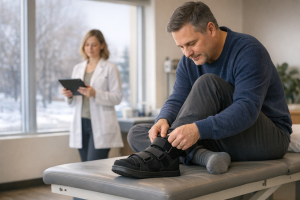
Sports injuries vary, from strains and sprains to fractures and dislocations. Whether you’re an occasional jogger who’s twisted an ankle or an athlete handling intense workouts, there’s no escaping the potential for injury in active pursuits. Some common sports injuries you might encounter include:
Ankle sprains
Hamstring strains
Shin splints
Tennis or golfer’s elbow
Achilles tendonitis
Groin pulls
ACL tears
Impact and Complications of Sports Injuries
Besides immediate pain and discomfort, sports injuries can lead to long-term complications. Without proper management, you risk chronic pain, restricted mobility, and decreased performance. Ignoring symptoms or attempting to “push through” an injury might seem tempting, but it often exacerbates the issue. Thus, seeking professional help and allowing yourself time to heal is essential in maintaining long-term health and athletic success.
IV. Healing with Integrated Care
The Power of Massage Therapy
Types of Massage Therapy for Sports Injury Recovery
Massage therapy can be a game-changer in your recovery journey. At Human Integrated Performance, our licensed massage therapists specialize in various techniques to suit your injury rehabilitation needs:
Deep tissue massage: Targets the deeper layers of muscles, tendons, and fascia to relieve chronic muscular tension and break scar tissue.
Sports massage: Focuses on enhancing muscle function and flexibility, as well as promoting relaxation and preventing injuries.
Trigger point therapy: Addresses specific muscle knots and tension points with targeted pressure to alleviate pain and tension.
Benefits of Massage Therapy
Massage therapy not only soothes sore muscles but also offers numerous benefits to contribute to your sports injury recovery:
Boosts circulation and blood flow, promoting efficient delivery of oxygen and nutrients to the affected areas
Aids in breaking down scar tissue, allowing for improved muscle function
Alleviates pain by relaxing tight muscle groups and increasing endorphin production
Promotes faster healing through reduced inflammation and removal of metabolic waste
V. The Role of Chiropractic Care
Functions of Chiropractic Care in Sports Injury Recovery
Chiropractic care perfectly complements massage therapy by addressing joint misalignments and enhancing mobility. It’s particularly effective for back and neck injuries but can also benefit other areas prone to sports-related injuries. Chiropractic care covers various aspects of sports injury recovery, such as:
Alleviating joint misalignments and imbalances
Improving range of motion and mobility
Reducing pain and inflammation
Assisting in correcting posture and alignment
How Chiropractic Adjustments Complement Massage Therapy
By combining chiropractic adjustments with massage therapy, you can achieve a synergistic effect, amplifying the benefits of both modalities. While massage therapy predominantly focuses on muscular issues, chiropractic care targets the underlying skeletal imbalances. When both systems work hand-in-hand, you set the stage for optimal recovery and long-term prevention of sports injuries.
VI. Human Integrated Performance’s Holistic Approach
The Importance of Mental and Emotional Wellbeing in Sports Injury Recovery
As important as physical healing is, the road to recovery is incomplete without addressing mental and emotional wellbeing with techniques like:
Goal setting to ensure steady progress
Mindfulness meditation for stress and anxiety management
Visualization to imagine the desired outcome and a successful return to sports
Positive affirmations to reframe mindset and build confidence
Tips for Preventing Sports Injuries
While some injuries may be inevitable, a proactive approach can minimize the risk. Incorporate these habits into your routine:
Engaging in regular warm-up and cool-down sessions
Practicing proper stretching, flexibility, and strengthening exercises
Wearing appropriate safety gear and footwear
Listening to your body and allowing time for recovery and rest
VII. Call-to-Action (CTA)
Turn the tide on your sports injury. Don’t let pain dictate your play. Book an appointment with our team of expert massage therapists and chiropractors at Human Integrated Performance today, and take the first step towards your comeback.
VIII. Conclusion
Don’t be defined by your sports injury. Rise above the pain, build stronger resilience, and return to your passion with help from our integrated massage therapy and chiropractic care services. Your new chapter awaits at Human Integrated Performance.
IX. Frequently Asked Questions (FAQs)
Q: Does massage therapy assist in all sorts of sports injuries?
A: Yes, massage therapy is versatile and can aid in the healing process of various sports injuries by promoting circulation and relaxation.
Q: Is chiropractic care suitable for non-professional athletes?
A: Absolutely yes. Chiropractic care offers health benefits for everyone, not just professional athletes. It is fundamental in healing and preventing injuries.
Q: Do I need to have a severe sports injury to seek your services?
A: No. At Human Integrated Performance, we aid active individuals at all levels, from those with minor sprains to those recovering from major injuries.