 Table of Contents
- Introduction
- What is Vestibular Physiotherapy?
- How Does Vestibular Physiotherapy Help with Concussion Symptoms?
- Success Stories of Athletes Who Have Overcome Concussion Symptoms with Vestibular Physiotherapy
- Strategies for Managing and Preventing Concussion Symptoms
- Conclusion
- FAQs
Introduction
Concussions are common among athletes and can lead to a wide range of symptoms, including dizziness, headaches, and balance issues. Vestibular physiotherapy is a specialized form of therapy aimed at treating the vestibular system, which is responsible for balance and spatial orientation. This therapy has proven highly effective for treating concussion-related symptoms, helping many athletes return to their sport at full capacity. In this blog, we will explore the benefits of vestibular physiotherapy for concussion recovery and how it can help athletes overcome challenging symptoms.
What is Vestibular Physiotherapy?
Vestibular physiotherapy is a specialized branch of physiotherapy that focuses on the vestibular system, which includes the inner ear and its connections with the brain. The vestibular system is responsible for maintaining balance and spatial orientation. Concussions and other head injuries can disrupt this system, causing symptoms such as dizziness, vertigo, and difficulty with coordination.
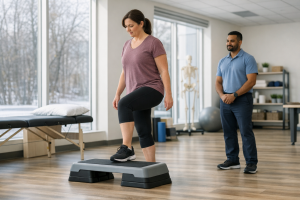
During vestibular physiotherapy sessions, a physiotherapist assesses and addresses any issues within the vestibular system that may be contributing to the patient’s symptoms. This may involve exercises to improve balance, eye movements, and head movements, as well as education on managing symptoms effectively. The goal is to restore normal vestibular function, reduce symptoms, and enable athletes to return to their daily activities and sports with confidence.
How Does Vestibular Physiotherapy Help with Concussion Symptoms?
Concussions often result in symptoms like dizziness, vertigo, headaches, and balance problems, which are frequently linked to dysfunction within the vestibular system. Vestibular physiotherapy aims to address these specific issues by improving the function of the vestibular system, ultimately reducing or eliminating symptoms and enhancing balance and spatial orientation.
For athletes, this can mean a faster, safer return to sport, with improved confidence and performance. Vestibular physiotherapy provides a structured approach to healing that helps athletes overcome the lingering effects of a concussion, improving their overall quality of life and restoring physical stability.
Success Stories of Athletes Who Have Overcome Concussion Symptoms with Vestibular Physiotherapy
Many athletes have successfully used vestibular physiotherapy to overcome concussion symptoms and return to peak performance. Here are a few notable success stories:
Sarah, College Athlete
Sarah suffered a concussion during a game and subsequently experienced dizziness, vertigo, and balance issues that prevented her from returning to her sport. After a course of vestibular physiotherapy, Sarah regained her balance, reduced her symptoms, and returned to her sport at full capacity.
Jack, High School Athlete
Jack, a high school athlete, sustained a concussion during practice, leading to headaches, dizziness, and difficulty focusing on schoolwork. Vestibular physiotherapy helped Jack improve his focus, reduce symptoms, and confidently return to both his sport and academic life.
Kyle Turris, Professional Hockey Player
In 2019, professional hockey player Kyle Turris sustained a concussion and turned to vestibular physiotherapy for recovery. After only a few sessions, Turris experienced a significant improvement in symptoms and returned to play within weeks, showcasing the effectiveness of vestibular physiotherapy for athletes at all levels.
Gracie Gold, Olympic Figure Skater
Olympic figure skater Gracie Gold also benefitted from vestibular physiotherapy after experiencing vestibular dysfunction from a concussion in 2016. Through specialized therapy, she was able to overcome her symptoms and went on to win a bronze medal in 2019.
These stories highlight the impact of vestibular physiotherapy in helping athletes recover from concussions. With proper treatment and guidance, athletes can overcome debilitating symptoms and return to the sports they love.
Strategies for Managing and Preventing Concussion Symptoms
Managing and preventing concussion symptoms is crucial for athletes at all levels. Here are some key strategies:
- Education and Awareness: Understanding the risks and signs of concussion can help athletes take preventative measures and seek early treatment if symptoms occur.
- Proper Technique and Equipment: Using proper sports techniques and wearing appropriate protective equipment can help reduce the risk of concussions.
- Gradual Return to Activity: After a concussion, a gradual return to activity under the guidance of a healthcare professional ensures safe recovery and minimizes the risk of re-injury.
- Vestibular Exercises: Engaging in balance and coordination exercises can help strengthen the vestibular system, improving balance and reducing the risk of injury.
Conclusion
In conclusion, vestibular physiotherapy is an effective and valuable tool for athletes recovering from a concussion. The specialized treatment provided by vestibular physiotherapists can help athletes overcome symptoms of vestibular dysfunction, allowing them to return to play with confidence and improved balance.
Recovery from a concussion is a journey that requires patience, dedication, and the right treatment. If you or someone you know has suffered a concussion and is struggling with vestibular dysfunction, consider seeking the guidance of a vestibular physiotherapist. With the right support, a successful recovery is achievable.
FAQs
Q: How long does it take to recover from a concussion with vestibular physiotherapy?
A: Recovery times vary depending on the individual’s injury and healing process. Vestibular physiotherapy can speed up recovery compared to rest alone. Most individuals see improvements within the first few weeks of treatment, with many returning to normal activities within a few months.
Q: Is vestibular physiotherapy covered by insurance?
A: Many insurance plans cover vestibular physiotherapy as part of concussion rehabilitation. Coverage varies depending on the specific plan and provider, so check with your insurance company to confirm what therapies are included under your plan.
Q: Is vestibular physiotherapy painful?
A: Generally, vestibular physiotherapy is not painful. Some exercises may cause mild discomfort or dizziness, but therapists work with you to find a comfortable level. It’s important to communicate any discomfort so the therapist can adjust the treatment plan as needed.
Q: Can vestibular physiotherapy prevent future concussions?
A: While vestibular physiotherapy cannot prevent concussions, it can improve balance, coordination, and proprioception, potentially reducing the risk of falls or injuries. Additionally, by expediting recovery, vestibular physiotherapy helps athletes return to sports safely, with reduced risk of future injury.
Q: How do I know if vestibular physiotherapy is right for me?
A: If you’ve experienced a concussion or head injury and are dealing with symptoms like dizziness, balance issues, or headaches, vestibular physiotherapy may be beneficial. Consult with a doctor or a trained vestibular therapist to determine the best course of treatment for your needs.