Introduction:
As we age, it is common to experience dizziness or balance problems, which can impact daily activities and quality of life. Vestibular rehabilitation is a type of physiotherapy that can be effective for managing age-related dizziness by retraining the vestibular system and improving balance. In this blog, we will explore how vestibular rehabilitation can help manage age-related dizziness.
Table of Contents:
What is Age-Related Dizziness?
Symptoms of Age-Related Dizziness
Causes of Age-Related Dizziness
Diagnosis of Age-Related Dizziness
Treatment Options for Age-Related Dizziness
Vestibular Rehabilitation for Age-Related Dizziness
Benefits of Vestibular Rehabilitation for Age-Related Dizziness
Conclusion
FAQs
What is Age-Related Dizziness?
Age-related dizziness is a type of dizziness that is more common in older adults. It can be caused by a variety of factors, including changes in the vestibular system, medication side effects, and underlying health conditions.
Symptoms of Age-Related Dizziness:
Symptoms of age-related dizziness can include:
Dizziness or lightheadedness
Vertigo, which is a spinning sensation
Imbalance or unsteadiness
Nausea or vomiting
Causes of Age-Related Dizziness:
Age-related dizziness can be caused by a variety of factors, including:
Changes in the vestibular system
Medication side effects
Underlying health conditions, such as high blood pressure or heart disease
Dehydration
Injuries, such as a head injury or concussion
Diagnosis of Age-Related Dizziness:
Age-related dizziness is typically diagnosed through a combination of a medical history, physical examination, and tests, including vestibular function tests and imaging.
Treatment Options for Age-Related Dizziness:
Treatment options for age-related dizziness may include medications, lifestyle changes, and vestibular rehabilitation.
Vestibular Rehabilitation for Age-Related Dizziness:
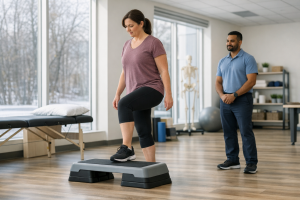
Vestibular rehabilitation is a type of physiotherapy that focuses on retraining the vestibular system to improve balance and reduce symptoms of dizziness and vertigo. This type of therapy can be highly effective for managing age-related dizziness.
Benefits of Vestibular Rehabilitation for Age-Related Dizziness:
Some of the benefits of vestibular rehabilitation for age-related dizziness include:
Improved balance and stability
Reduced symptoms of dizziness and vertigo
Improved overall quality of life
Decreased risk of falls and injuries
Conclusion:
Age-related dizziness can be a frustrating and challenging condition to manage, but there are effective treatment options available. Vestibular rehabilitation is a type of physiotherapy that can be highly effective for managing age-related dizziness and improving overall quality of life.
FAQs:
Is vestibular rehabilitation safe for older adults with age-related dizziness?
Yes, vestibular rehabilitation is generally considered safe for older adults with age-related dizziness. However, it is important to work closely with a qualified vestibular physiotherapist to ensure that treatment is progressing safely.
How long does it take to see improvement with vestibular rehabilitation for age-related dizziness?
The length of time it takes to see improvement with vestibular rehabilitation for age-related dizziness can vary depending on the individual and the severity of their symptoms. It is important to work closely with a qualified vestibular physiotherapist to determine a treatment plan that is tailored to your specific needs.
Are there any risks associated with vestibular rehabilitation for age-related dizziness?
Vestibular rehabilitation is generally considered safe for most individuals. However, as with any type of physiotherapy, there is a small risk of exacerbating symptoms or causing new symptoms. It is important to work closely with a qualified vestibular physiotherapist to monitor your symptoms and ensure that treatment is progressing safely.
Metadescription: