Edmonton Physiotherapy Clinic
Physiotherapy Services Edmonton
Does your body ache? Are sports, workout routines, or other physical activities causing you issues? Dealing with chronic pain from a motor vehicle accident or a work-related injury? Or is your body just in need of a tune-up?
Make an appointment today at our physical therapy clinic in Edmonton, conveniently located on West Block Drive, with free parking available. We provide personalized plans designed to aid recovery from injuries and enhance your performance in daily life and leisure activities.
At our physiotherapy clinic, experienced physical therapists can help you get back to your healthy life. Recovery is achieved through a personalized approach and treatment plan. Our dedicated staff is committed to creating a welcoming environment for everyone.
Ready to get back to your active life? Call now or book online for expert physiotherapy services to aid sports performance, motor vehicle accident recovery and more at our Edmonton physical therapy clinic.
New Client Intake Form
- Accepting New Clients
- Direct Billing Available
- Certified Professionals
"*" indicates required fields
West Edmonton Location
Clinic Hours
Tuesday - 8am-8pm
Wednesday - 8am-8pm
Thursday - 8am-8pm
Friday - 8am-4pm
Saturday - 9am-3pm
Sunday - Closed
Now Offering AHS Coverage For Physiotherapy
Human Integrated Performance is pleased to offer Physiotherapy with AHS. We can provide AHS Outpatient and Community Physiotherapy Services. We can help with post-op and fracture recovery as well as low-income patients. To find out if you are eligible contact our office!
Physiotherapy Treatment Options
Intramuscular Stimulation (IMS)
Exercise Based Rehab
Pelvic Floor Physiotherapy
Modalities (electrotherapy, heat, ice, kinesiology tape, TENS, IFC, and ultrasound)
Manual Therapy (Mobilizations)
Sports Physiotherapy
Orthopaedic Physical Therapy
Radial Shockwave Therapy
Our Happy Humans
What can our Physiotherapists help with?
There are several different areas that our physiotherapists can help with. We have already highlighted a few of them, but here is a detailed view of the kinds of treatments our physiotherapy team offers:
If you or a loved one has experienced a concussion or head injury, seeking prompt care is crucial. At Human Integrated Performance, our physiotherapists address the physical aftermath, while our psychologists focus on the cognitive and emotional aspects of recovery. Together, they offer a comprehensive approach to concussion management, ensuring you receive tailored, holistic care to navigate the challenges of brain trauma.
Strong pelvic floor muscles are important for recovery after pregnancy. They provide stability, support, and strength to the uterus after birth, which reduces prolapse or hernias that may occur during pregnancy. A physiotherapist can teach you the best techniques for building up these muscles.
Overactive bladder is an issue where the bladder muscle contracts uncontrollably which results in urgency and frequency of urination.
Urinary incontinence is the inability to hold urine in, which often leads to the involuntary loss of small amounts of urine. Pelvic floor physiotherapy can help with urinary incontinence by strengthening muscles that help you control urination and bowel movements.
Prolapse is the descent of a pelvic organ below its normal position in relation to the other pelvic organs. Pelvic floor physiotherapy can help with a prolapse by decreasing pressure on the pelvic organs, improving circulation and reducing inflammation.
Sexual dysfunction refers to a range of disorders that may affect your ability to enjoy sexual activity. Acupuncture and pelvic floor physiotherapy can help. Pelvic floor physiotherapy can be used to increase blood flow in the genital area by doing exercises specifically targeted at this region, which is necessary for normal sexual function. Acupuncture can also help improve blood circulation to your reproductive organs.
Pelvic pain in men and women is when the pelvis becomes painful to touch or movement brings on pain. Pelvic floor physiotherapy helps reduce this pain by correcting muscular imbalances and mobilising the pelvic joints, allowing you to use your body more efficiently which reduces mis-loading of joints over time.
Carpal tunnel syndrome is caused by pressure in the wrist and median nerve, which causes pain, tingling, numbing and stiffness in the hand, wrist, and arm.
A vestibular condition is when something’s not right with your inner ear or the part of your brain that controls balance. This can make you feel dizzy, give you spinning sensations, or make it hard to stay steady. These issues can make everyday things, like walking or turning your head quickly, a real challenge. At Human Integrated Performance in Edmonton, we have trained physiotherapists and chiropractors who can help. They use special exercises and treatments to help get your balance back on track and reduce those dizzy feelings.
Orthopaedic Physical Therapy utilises the basic sciences of anatomy, physiology and biomechanics as background theory in the assessment and management of patients. This involves not only ‘manipulation’, but also manual assessment and treatment techniques, specific therapeutic exercise, electrotherapy, and advice on posture and movement disorders. Orthopaedic Physical Therapy is used to treat musculoskeletal disorders (MSD) and injuries, including arthritis, tendonitis, sprains, and more.
Neck pain can be caused by multiple factors, such as poor posture, over-strenuous movement, injury, worn joints, or even disease. We have several treatment options that can help you recover, by reducing stiffness and strengthening the neck muscles.
Complaints involving hands and wrists are common in our clinic, including carpal tunnel syndrome (CTS). We help you design a program that will help you improve your mobility and strength in the wrist, hand, and forearm.
Shin splints are a common injury associated with running or other impact activities. The pain is typically along the inside of the shin or tibia which is amplified with impact. Several different factors can cause shin splints such as improper warm-up or cool down, poor footwear, repetitive stress, flat feet, or even a change in your workouts. There are many ways that shin splints can be successfully treated, including Shockwave, Graston, or Active Release. Restricting impact, stretching, foam rolling, proper footwear, and ice are important during treatment to get you back to your activities as soon as possible.
Including plantar fasciitis, metatarsalgia, and Morton’s Neuroma. Recovering from such injuries requires therapeutic exercising. We have a friendly team that helps patients with these exercises and makes it easy to get back to fitness.
Sciatica is a nerve pain caused by irritation of the sciatic nerve. Patients often report pain in the lower back and down the back of their leg. Numbness, tingling, or muscle weakness can also occur. Sciatica can be caused by a herniated disc, bone spurs, or spinal stenosis; a narrowing of the spine that can lead to compression of the nerve. Sciatica typically will affect one side of the body. Sneezing, coughing, and straining are often extremely painful with sciatica. Our chiropractors are fully equipped to assess and address irritations of the sciatica nerve.
Patients often report pain or weakness on either the inside or outside of the elbow which is worsened with computer work, lifting or gripping and repetitive activities. There are many ways that tennis and golfer’s elbow can be successfully treated, including Shockwave, Graston, or Active Release. It is important to ice the elbow to help reduce inflammation during the healing process.
Golfer’s Elbow, also known as medial epicondylitis, is caused by repetitive stress and or weakness of the muscles which flex your wrist and fingers. Pain or tenderness is local to the inside of the elbow, and can also move down the forearm and into the hand.
Tennis Elbow, also known as lateral epicondylitis, is most commonly caused by repetitive stress and or weakness of the extensor carpi radialis brevis muscle. Pain or tenderness is local to the outside of the elbow but can move down the forearm and into the hand.
Meet Our Physiotherapists


Our Physiotherapy Intake Process
Your physio sessions and treatment plan is unique, and tailored to your particular needs. Generally, here’s what happens when you see our physiotherapists for the first time:


Direct Billing Options
We work with several providers to give you access to direct billing. Some of our direct billing partners are:
Don’t see your provider listed? Contact our clinic to find out if you’re covered.
Physiotherapy FAQ

No, holding your pee does not strengthen your pelvic floor muscles. It can have the opposite effect, potentially weakening these muscles over time. Additionally, consistently keeping your pee can lead to several health issues, including urinary tract infections, bladder stones, and even kidney damage.
If you experience difficulty controlling your bladder, pelvic floor physiotherapy can be beneficial. A trained physiotherapist can assess your condition and teach you specific exercises to strengthen your pelvic floor muscles. These exercises can help you regain control of your bladder and improve your overall pelvic health. Regular practice of these exercises, combined with professional guidance, can significantly enhance muscle strength and function.

These therapies are correct for people that experience different kinds of pain. Also, it is suitable for people trying to recover from an injury or illness that affects their mobility. Also, any patient can seek examination and treatment, whether they are old or young. Also, it is suitable for non-patients that want to prevent diseases.

Some examples of pelvic floor exercises are the pelvic tilt, pelvic clock, pelvic bridges, and Kegels. Your pelvic floor is a group of muscles, ligaments, and connective tissues that support your bladder, uterus, vagina, and rectum. This “hammock” of muscle stretches from your pubic bone to your tailbone and forms the floor of your pelvic cavity. A strong pelvic floor can help you control your bowel and bladder, and may improve sexual function.

Physical therapy for tennis elbow is generally a safe and effective method for treatment, despite some instances where it might cause temporary discomfort or exacerbate symptoms. This usually occurs when certain exercises or techniques stress the affected area, potentially worsening the condition. Despite this, the overall benefits of physical therapy in treating tennis elbow cannot be overstated. It employs various strategies aimed at reducing inflammation and improving the elbow’s range of motion, making it a powerful tool against tennis elbow pain. Under the guidance of musculoskeletal specialists at Human Integrated Performance, patients receive expert care tailored to facilitate a successful recovery from injury.
The approach to treating tennis elbow in physical therapy involves a combination of techniques to enhance the strength and flexibility of the muscles, tendons, and ligaments around the elbow. This is crucial for alleviating pain and improving the elbow’s functionality. Among these techniques are soft tissue mobilization, which manipulates soft tissues to ease pain and inflammation, and range of motion exercises designed to increase the elbow joint’s flexibility and movement. Strengthening exercises also play a vital role, targeting the affected muscles to build strength and endurance. This not only provides better support for the elbow but also reduces the stress on the injured area.
The primary tendon affected in a shoulder impingement is the rotator cuff tendon, which is a tendon for the teres minor, infraspinatus, supraspinatus, and subscapularis muscles. These muscles contribute to overall joint stability and travel from your shoulder blade to the top of your humerus (arm bone), and are responsible for external rotation, internal rotation, and abduction.

Identifying a weak pelvic floor in men involves recognizing specific symptoms and changes in bodily functions. Here are some common signs that may indicate a weak pelvic floor:
1. Urinary Incontinence:
- Leakage During Activities: Experiencing urine leakage during activities such as coughing, sneezing, laughing, or exercising.
- Frequent Urination: Having an urgent need to urinate more frequently than usual.
- Incomplete Emptying: Feeling like you cannot completely empty your bladder.
2. Bowel Issues:
- Fecal Incontinence: Unintended leakage of stool or difficulty controlling bowel movements.
- Straining: Struggling or straining to pass stools.
3. Sexual Dysfunction:
- Erectile Dysfunction: Difficulty achieving or maintaining an erection.
- Reduced Sensation: Decreased sensation during sexual activity.
- Premature Ejaculation: Experiencing premature ejaculation.
4. Pelvic Pain or Discomfort:
- Pain or Heaviness: Feeling of heaviness, discomfort, or pain in the pelvic area, lower back, or genitals.
- Muscle Spasms: Experiencing muscle spasms or contractions in the pelvic area.
5. Prostate Issues:
- Post-Prostate Surgery: Weak pelvic floor muscles can be a common issue after prostate surgery, leading to incontinence and other related symptoms.
Self-Assessment Tests:
Stopping Urine Flow:
- Test: Try to stop the flow of urine mid-stream while urinating.
- Result: If you find it difficult or cannot stop the flow, this may indicate weak pelvic floor muscles.
Pelvic Floor Muscle Contractions:
- Test: Sit or lie down comfortably and attempt to tighten the muscles you would use to stop urinating or passing gas.
- Result: If you cannot hold the contraction for a few seconds or if the contraction feels weak, this may indicate a weakened pelvic floor.
Seeking Professional Help:
If you experience any of these symptoms or suspect that your pelvic floor muscles may be weak, it is advisable to consult a healthcare professional. Here are some steps to take:
- Visit a General Practitioner: They can provide an initial assessment and refer you to a specialist if needed.
- See a Urologist: A urologist specializes in urinary and male reproductive health and can offer more targeted advice and treatments.
- Consult a Physiotherapist: A physiotherapist who specializes in pelvic floor rehabilitation can provide exercises and techniques to strengthen your pelvic floor muscles.
Treatment and Management:
- Pelvic Floor Exercises (Kegels): Performing regular Kegel exercises can help strengthen the pelvic floor muscles.
- Biofeedback: This technique uses sensors and visual feedback to help you learn how to effectively contract and relax your pelvic floor muscles.
- Lifestyle Modifications: Maintaining a healthy weight, avoiding heavy lifting, and managing constipation can help reduce strain on the pelvic floor.
- Medical Treatments: In some cases, medications or surgical interventions may be necessary, particularly if the weakness is due to an underlying condition such as prostate surgery complications.

A physiotherapist can play an important role in helping individuals with fibromyalgia manage their symptoms and improve their overall quality of life. Fibromyalgia is a chronic condition that is characterized by widespread pain, fatigue, and tenderness in the muscles and soft tissues. Physiotherapy can help to alleviate these symptoms by addressing the underlying physical causes of the condition.
A physiotherapist can work with individuals with fibromyalgia to develop an exercise program that is tailored to their specific needs. This may include exercises to improve flexibility and strength, as well as activities such as swimming, cycling or walking to increase physical endurance and improve cardiovascular health. The main aims of physiotherapy in the treatment of fibromyalgia are to reduce your pain and stiffness using a combination of strategies.
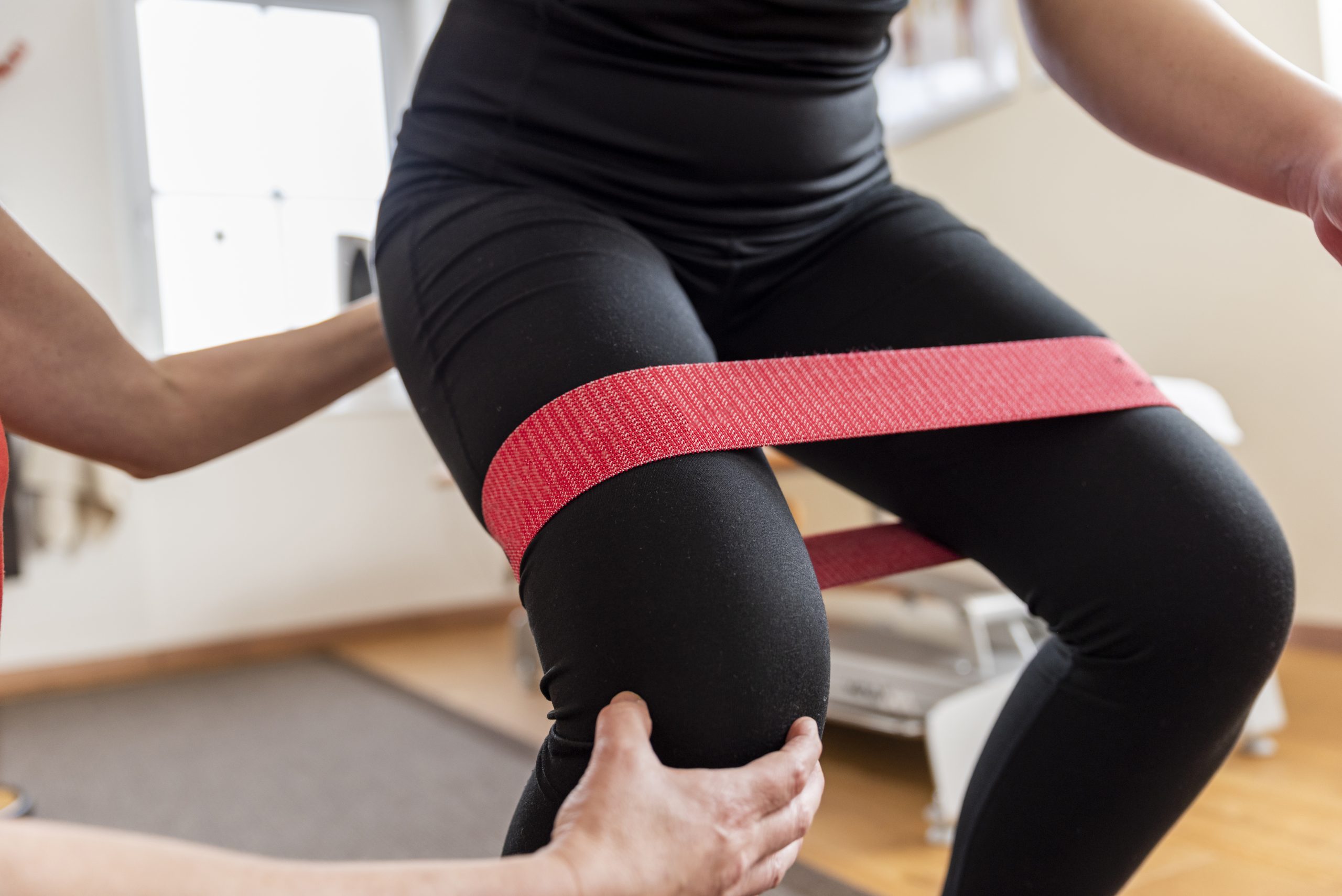
If your knee pain has not gone away after one week or the condition is getting worse from the initial onset, it is highly recommended that you see a physiotherapist for a thorough assessment and treatment to help you get back on track. A physiotherapist can help assess the cause of your knee pain and develop a treatment plan to alleviate your symptoms. Here are some specific reasons when you should see a physiotherapist for knee pain:
- If you have a knee injury, such as a ligament or cartilage tear, a physiotherapist can help to manage your pain, reduce inflammation, and promote healing.
- If you have a chronic knee condition, such as osteoarthritis or rheumatoid arthritis, a physiotherapist can help to manage your symptoms and improve your overall function.
- If you have recently had knee surgery, a physiotherapist can help to guide your recovery and rehabilitation, and help you regain strength and mobility in your knee.
- If you experience knee pain that is related to an underlying condition such as obesity, poor posture or overuse, a physiotherapist can help you to address the underlying cause of your knee pain and help you to manage your symptoms.
- If you experience knee pain that is affecting your ability to perform daily activities, or if you are experiencing difficulty walking, running or climbing stairs, a physiotherapist can help to improve your overall function and quality of life.
It’s always recommended to see a physiotherapist as soon as possible after experiencing knee pain, especially if it is severe, persistent or affects your daily function. Early intervention can prevent the symptoms from becoming chronic and help to reduce the overall recovery time.

No, you do not need a prescription to see a physiotherapist in Alberta unless specified by your extended health benefits plan. However, most extended health care plans will require a referral from your family physician or specialist to access coverage for physiotherapy services. If you are unsure whether you need a prescription or not, it is best to contact your insurance provider directly and ask.
Physiotherapists in Alberta are highly skilled professionals who have the necessary education and experience to assess, diagnose, treat and prevent a variety of physical conditions. They are also trained to advise on lifestyle changes that can help improve your overall health and well-being. Your physiotherapist will work with you to design an individualized treatment plan that is tailored to your specific needs. Physiotherapists are an important part of the healthcare team in Alberta and can help you meet your physical goals. Whether you require physiotherapy for a specific injury or condition or want to improve your overall health, physiotherapy can help you on your journey toward better movement.
The timeline for improvement in physiotherapy varies and can depend on several factors such as the condition, severity, frequency, consistency of therapy, and overall health. Typically, some improvement can be seen in a few weeks to a few months, with more significant improvements potentially taking several months to a year or more. Gradual improvement is common, and temporary worsening or plateauing of symptoms can occur. A personalized timeline can be discussed with a physiotherapist.